Kubernetes etcd Backup
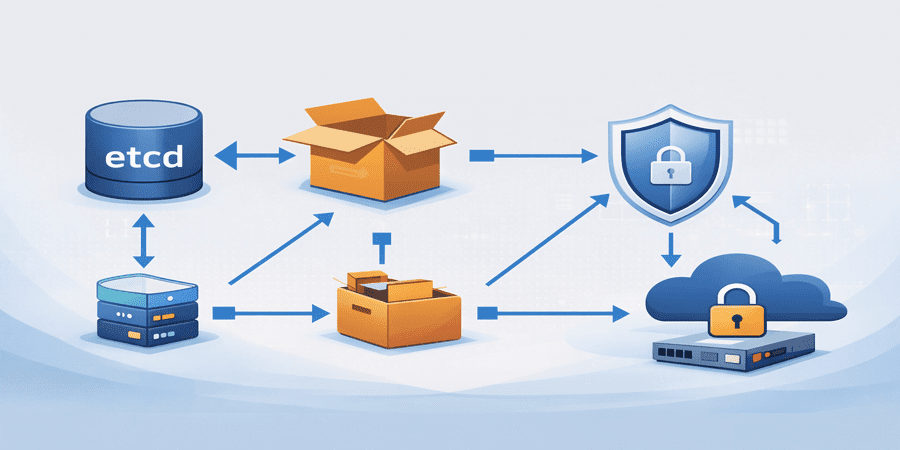
In this article, we’ll break down how to create backups that actually save you when things go wrong: we’ll take an etcd snapshot in Kubernetes and immediately move it to a separate physical server. We’ll also explain why “a dump in a neighboring folder” is almost always a false sense of security—and how to avoid that trap. You’ll get simple, practical commands for rsync, file copying, and archiving so your backups are fast, tidy, and verifiable. Finally, we’ll wrap up with a short checklist of habits that turn backups from a “formality” into a real recovery plan.
Why Businesses Move to Kubernetes
Why You Should Move to Kubernetes — in Plain English for Executives
As a business grows, its IT landscape gets more complex. More services, more servers, more moving parts. At some point, you start spending time and money not on building the product, but on fighting operational chaos. That’s when Kubernetes becomes the right next step.
Docker vs containerd vs CRI-O: Kubernetes Container Runtime

Choosing a Container Runtime for Kubernetes: Docker, containerd, or CRI-O?
If you’re setting up a Kubernetes cluster, one important decision is which container runtime to use. Kubernetes works through the Container Runtime Interface (CRI), and you typically see three options: Docker, containerd, and CRI-O. Let’s break down what to choose—and why.