
Table of Contents
- Chapter 1: What Is Kubernetes?
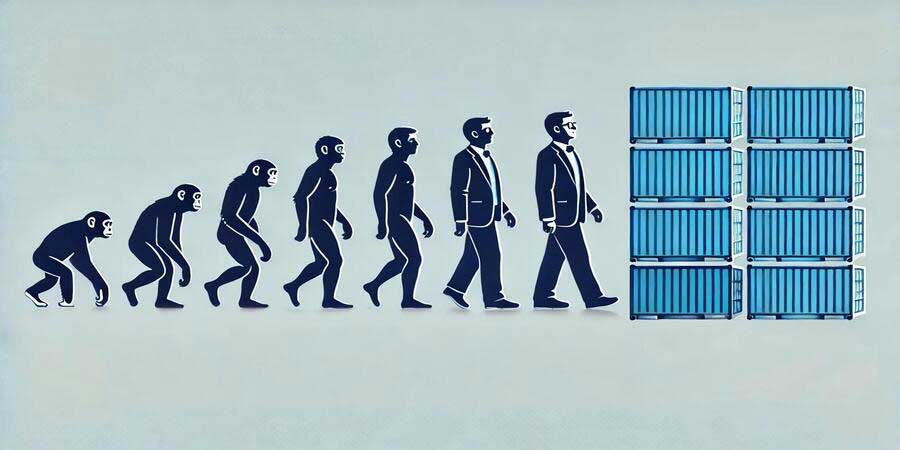
- Chapter 2: The Evolution of Kubernetes
- Chapter 3: The Benefits of Kubernetes
- Chapter 4: Why Kubernetes Is the Future
What Is Kubernetes?
Kubernetes is a platform for managing applications that run in containers. It was created in 2014 by engineers at Google to simplify operating scalable applications. At the time, containerization—popularized by Docker—was gaining traction, and Kubernetes became the solution that made container operations efficient and predictable. Google originally built it to run its own infrastructure and later open-sourced it for developers worldwide.
What Is Kubernetes Used For?
Kubernetes helps manage containerized applications by simplifying deployment, updates, and scaling. In practice, it automates tasks that used to take a lot of manual effort—from distributing load across servers to recovering failed workloads. Kubernetes makes it easy to add resources when traffic grows, maintain system stability, and optimize server utilization. That’s why it has become an essential tool for organizations building modern, flexible, and scalable applications.
The Evolution of Kubernetes
Manual server management
- Applications were deployed manually on physical or virtual servers.
- Every change or update required manual environment reconfiguration.
- The process was slow and prone to errors.
Traditional virtual machines
- Companies used virtual machines (for example, VMware or VirtualBox) to isolate applications.
- Virtual machines consumed a lot of resources, and managing them was complex and required significant effort.
The Docker era
- Docker enabled applications to run in containers, offering lightweight isolation and fast startup.
- At scale, managing many containers became chaotic: teams had to manually allocate resources, scale services, and monitor container health.
Benefits of Kubernetes:
- Automated resource management: Kubernetes distributes workloads across servers to keep applications stable, even during high traffic.
- Scalability: Quickly scales resources up or down based on current demand.
- Self-healing: If a container or node fails, Kubernetes automatically recreates it, minimizing downtime.
- Automated deployments and updates: Supports smooth rollouts and fast rollbacks to a previous version if something goes wrong.
- Flexibility and platform independence: Runs on any cloud or on-prem infrastructure, giving you freedom of choice.
Why Kubernetes Is the Future
K8s has become the standard for container orchestration because of its flexibility, scalability, and ability to handle diverse workloads. In a world where technology evolves rapidly, companies aim to automate operations, reduce costs, and speed up time-to-market. Kubernetes delivers these capabilities by making infrastructure reliable, adaptable, and ready for change. Its popularity continues to grow, and today it is a core building block for modern IT ecosystems—making it a cornerstone of the future of cloud and hybrid platforms.