
Kubernetes etcd Backup
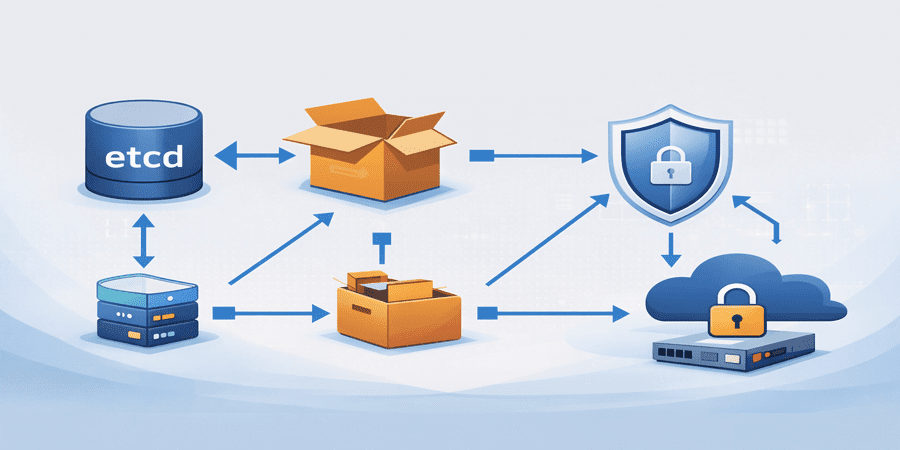
In this article, we’ll break down how to create backups that actually save you when things go wrong: we’ll take an etcd snapshot in Kubernetes and immediately move it to a separate physical server. We’ll also explain why “a dump in a neighboring folder” is almost always a false sense of security—and how to avoid that trap. You’ll get simple, practical commands for rsync, file copying, and archiving so your backups are fast, tidy, and verifiable. Finally, we’ll wrap up with a short checklist of habits that turn backups from a “formality” into a real recovery plan.
AI in Education: Assessment Design and Honest Answer Markers
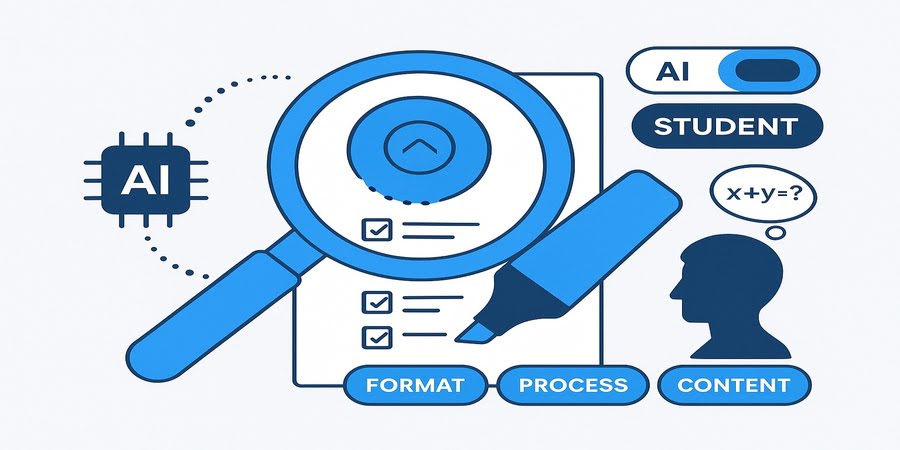
A teacher reached out with a very practical question: how to design assignments so it’s clear whether the work is truly the student’s—or a result mostly generated by AI. It’s a familiar story. In recent years, large-model assistants have become an everyday tool: they write code, suggest formulas, rephrase essays, and even “explain” solutions. AI itself isn’t the enemy—it saves time and expands what people can do. But in education, a gap appears: assessment often sees only the final answer, not the process—and it’s the process that builds real skills.
Why Businesses Move to Kubernetes
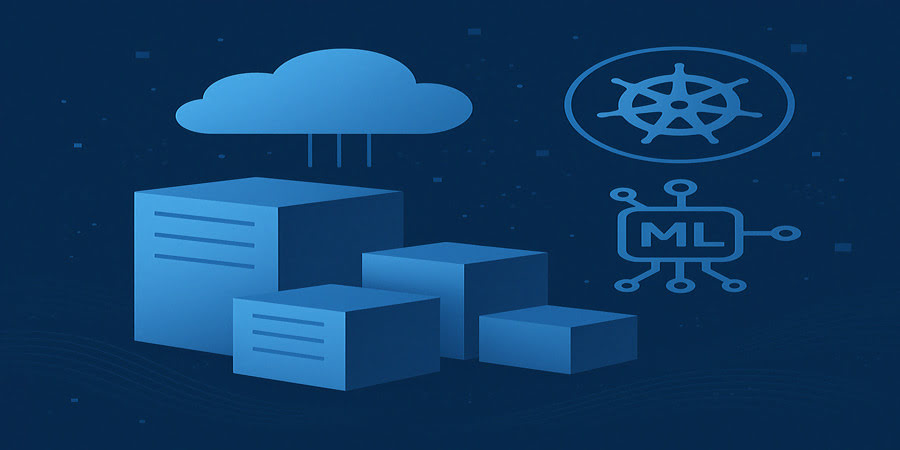
Why You Should Move to Kubernetes — in Plain English for Executives
As a business grows, its IT landscape gets more complex. More services, more servers, more moving parts. At some point, you start spending time and money not on building the product, but on fighting operational chaos. That’s when Kubernetes becomes the right next step.